

The Northern Lights Wildlife Shelter is voicing concerns around recent changes in the Omineca region impacting the rescue of young animals needing help.
It is being made as the fall season approaches, bringing an increase in the number of bear cubs being orphaned.
“This whole situation started in May when we were all of a sudden stopped from helping deer fawns and moose calves,” said Angelika Langen, executive director of the shelter.
“Instead, we found ourselves in the heartbreaking position of knowing that deer fawns and moose calves needed help while being unable to obtain the permission required to bring them into care,” Langen said.
Approval for taking orphaned animals in the region changed according to Langen, requiring approval by the Omineca Fish & Wildlife Section Head.
She added conservation officers (COs) were also no longer able to provide rescue approval directly.
One of the challenges with the new approach expressed in a letter from the shelter is limited hours during which approvals can be made to weekdays during regular business hours with no after hours coverage.
“Wildlife emergencies, of course, do not happen according to office hours,” Langen said.
“A mother can be struck by a vehicle late on a Friday evening. A newborn calf can be discovered alone on a weekend,” she added.
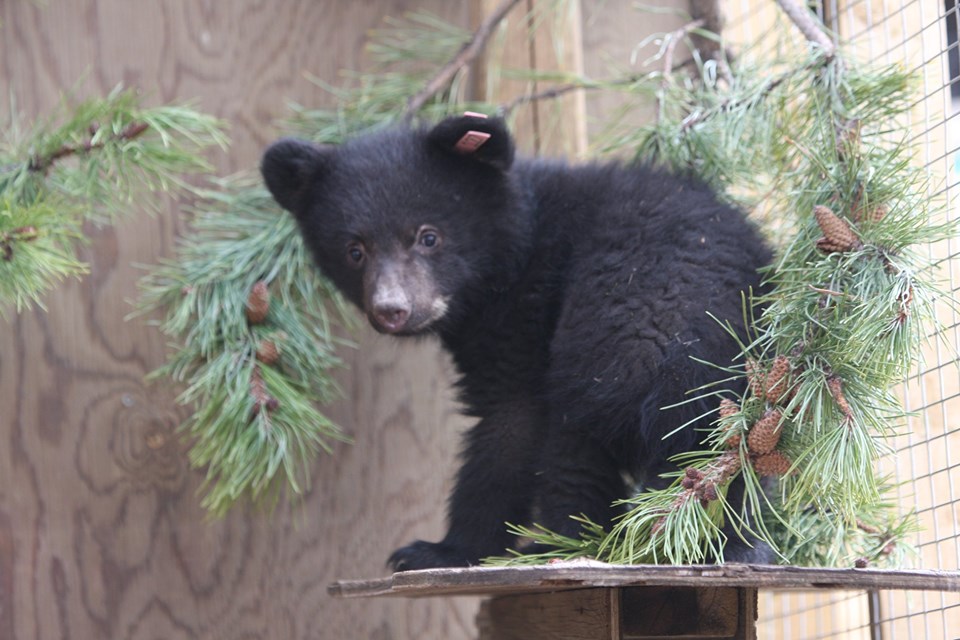
The concerns around bear rescue season became a reality after two black bear cubs were found and denied rescue permission with the mother believed to have died in a vehicle collision.
“Most importantly, the cubs have not, to our knowledge, begun relying on human food or other attractants,” said Langen.
The bear cubs are believed to weigh roughly 30 pounds or less according to the shelter, with the current situation ideal for intervention leading to successful care and eventual rewilding.
Langen said the shelter has been told the bears can survive on their own and that the public should contact COs if hunger leads them towards homes or human attractants.
“From our perspective as a wildlife rewilding facility with decades of experience raising and rewilding orphaned bears, this creates an extremely difficult situation,” she said.
The shelter’s website states it has been rescuing animals from the Omineca region for over 30 years, with 197 black bears being returned in that time.
“No one person should be able to just overrule relationships that have been built up for over 30 years in any case,” Langen said.
“There should always be room for communication and some sort of mutual agreement on how to handle concerns, and that just hasn’t happened here,” she continued.
Something going on in the Bulkley Valley Lakes District you think people should know about?
Send us a news tip by emailing pgnews@vistaradio.ca.